

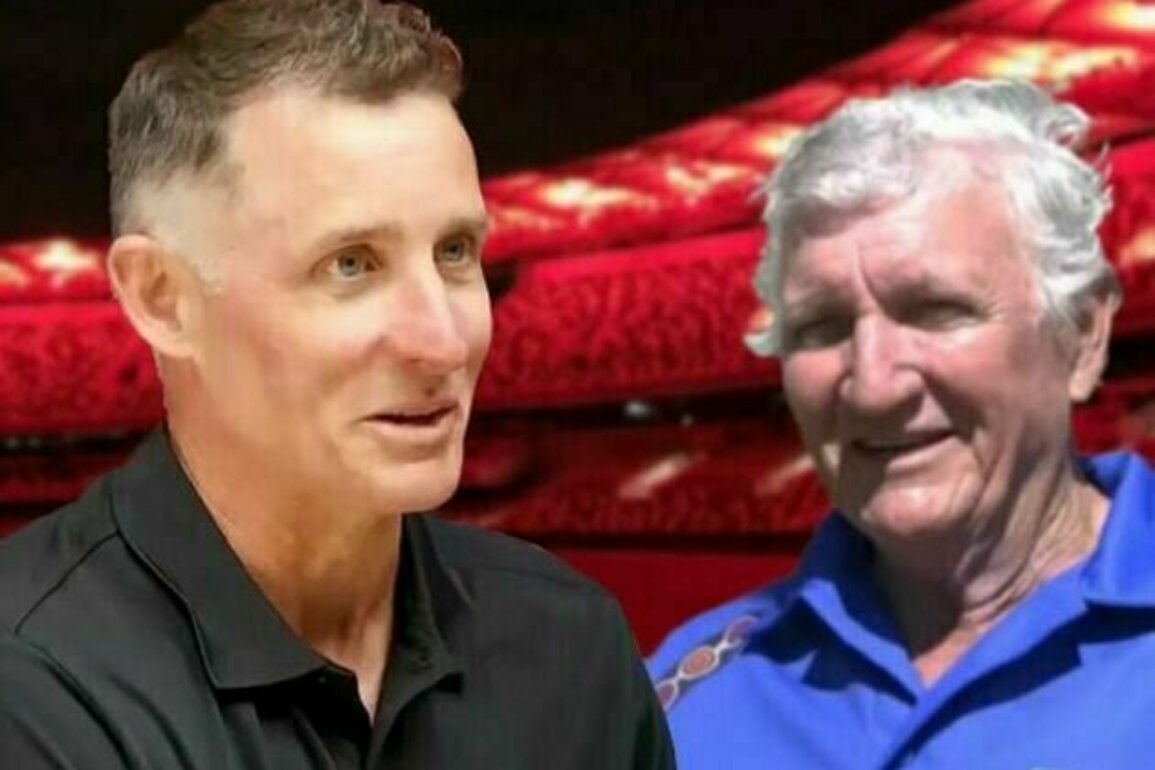
Like 100,000 other Australians, you might be walking around with a killer gene that could end your life early and not even know it. But the condition, haemochromatosis, is simple to treat and you can find out if you are at risk simply by donating blood. Cricket greatMike Husseyhas the condition, but dont worry, he donates regularly atLifebloodand is fine. But are you? Are your children?
LAST WEEK (1-7 June)wasWorld Haemochromatosis Week. You may have noticed landmarks all over the country, including the Sydney Opera House, being lit up in red that was why.
Haemochromatosis, or iron overload disorder, is a common medical condition that kills an immense number of people. Its caused by a genetic mutation shared by about 1 in 180 Australians and is potentially deadly if left untreated yet still it flies under the radar. Unfortunately, many, if not most, people with the gene that causes the condition have no idea they are at risk and never receive treatment. It shouldnt because it is easy to treat and simple to detect.
As DrDan Johnstonefrom Haemochromatosis Australia (HA) says:
It is also easy to overlook, as its most common symptoms tiredness, lethargy, joint pain are often misdiagnosed as just a part of ageing. Thats why its often called a silent killer. But these innocuous symptoms can be hiding the fact you are slowly rusting out from the inside. Diabetes, heart and lung problems, gastric and skin conditions, movement disorders and, most commonly, liver disease too often resulting in fatal liver cancer may be in store for you. It was for Mr Cricket Mike Husseys Dad, Ted Hussey.
BE LIKE MIKE: GET TESTED
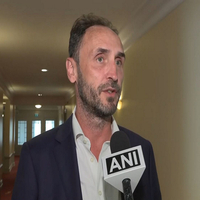
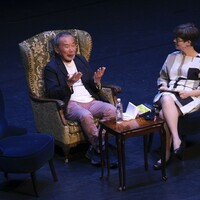
This year, HA added a high-profile voice to promote their cause, Michael Hussey.
Mike told IA he was uncomfortable being called Mr Cricket because there are many people who are better and know more about cricket than me. Hussey is among the top ten to 20 best batters ever to play the game, averaging 52 in test cricket and 48 in one-day internationals (ODIs). Which is to say he possessed great humility another reason hes so beloved by cricket lovers everywhere.
The former Australian cricket captain tragically lost his father,Ted Hussey, to liver cancer. It was caused by the build-up of iron in that organ from his haemochromatosis. Ted was a top-class athlete in his youth and a former board member of the WA Cricket Association. He was fit and vibrant before being diagnosed with liver cancer in his sixties. Ted Hussey died in 2014 at the age of 72. Male life expectancy in Australia is 81.
IAasked Mike Hussey whether his father Teds illness was a factor in his retirement from international cricket in 2013.
Ted being diagnosed with haemochromatosis led to Mike having the genetic test for HFE (the gene that causes the condition) in his 20s. He was found to have the genetic markers, but well before he had suffered any health effects.
Since then, Mike has donated blood at an Australian Red Cross Lifeblood centre every few months to ensure his iron levels remain well within the normal range.
Mike toldIA:
Mike Hussey turned 50 last week. He coaches theWelsh Fireteam in the English white ball 100 competition. He has suffered no complications from his genetic condition. The experts suggest that, if Mike keeps up this regime, then he probably never will.
FACTS OF IRON: DONT WAIT, DONATE
The Mike Hussey story is an encouraging one with a melancholy note. Because if Mikes father Ted had never developed liver disease and been found to have haemochromatosis, Mike may never have been tested at all.
It all comes down to genetics. The HFE gene is the one generally responsible for hereditary haemochromatosis. It appears that this gene mutated in Northern Europe during the Dark Ages and led to those carrying it absorb more iron from their diet. It may originally have been a genetic advantage when diets were low in iron. Now, of course, in people with iron-rich diets, it has become a significant issue.
There are two main variants of the mutated HFE gene: C282Y and H63D. People inheriting a C282Y gene from both parents (homozygous) are the ones who most commonly go on to suffer iron overload, particularly among men. Those who inherit a combination of C282Y and H63D (compound heterozygous) may also develop elevated iron levels.
Those who carry one copy of these gene variants are at no greater risk of developing iron overload, but they are carriers. Therefore, even if neither of your parents has iron overload, if they are both carriers, you are at risk of ending up with an iron overload disorder. And because the symptoms dont usually appear until people are into their 40s and 50s and are identical to those often experienced by people slowing down, haemochromatosis may be one of the most underdiagnosed conditions of all.
Although this wouldnt be the case if more people donated blood at Red Cross Lifeblood, because not only do they save lives, they also test all new donors' blood iron levels. This initiative began about a year ago and was done to ensure new donors werent suffering from low iron, a common occurrence. However, it also threw up people suffering from high iron. Either way, high or low, if there is an iron abnormality, youll receive a letter from the Red Cross that you can pass on to your medical practitioner. It's all part of the service at Red Cross Lifeblood and you might even save a life or two. They also offer hot and cold drinks and a range of tempting snacks. For free!
But wait theres more! According to Dr Peter Bentley from Lifeblood, the testing process, which also includes every 10th donation from regular donors, also tests for a range of other conditions.
Said Dr Bentley:
Dr Bentley noted that around 4% of male and 1% of female first-time blood donors had high serum ferritin levels and so would receive a notification after donating from Lifeblood.
Note well: people with high iron are welcomed by Lifeblood, who use these therapeutic donations like any others for life-saving transfusions of blood, often in critical circumstances.
There is a problem, though. Many GPs seem unaware the Red Cross caters to people with iron overload, as Dr Bentley toldIA.
He said the Red Cross have tried to get the word out to medical practitioners, but its difficult.
Said Dr Bentley:
Of course, people with high ferritin levels may or may not have haemochromatosis, as this may also be caused by other factors, such as obesity or poor health. Only the subsequent genetic testing will tell you for sure. And because iron accumulates over time, usually only showing up in middle age, you might have the mutant gene pair and still not receive a letter from the Red Cross after donating blood.
Which is why Australia needs a less ad hoc system of testing for haemochromatosis.
IRONING OUT WHO HAS HEAMOCHROMATOSIS
The reality is that most people dont donate blood at Lifeblood, even though they should, as the Red Cross is very often desperately short of whole blood and plasma. And unless a symptom crops up and most of the symptoms of iron overload may easily be dismissed as part of the ageing process most folk ask their GP for a blood test, which might detect abnormal ferritin levels in the blood. And as mentioned, even that wont tell you for sure if you have the genetic mutation that causes haemochromatosis and are at elevated risk of potentially developing the fatal iron overload disorder.
Thats why HA have been pushing for a wider conversation about population testing for haemochromatosis within the medical fraternity, government and general population. This could take the form of selective testing for the most at-risk group with Northern European heritage (about 50% of Australians), or the entire population within a certain age group, as is now done for bowel cancer.
Dr Johnstone from HA said:
There is always going to be pushback from governments on the prospect of bringing in a nationwide program, largely for cost reasons, both financial and logistical. Dr Johnstone suggested these concerns were mitigated by recent advances in medical science.
The costs of tests have plummeted in recent years, he said.
We now have a spit in the tube test available, when previously it would require a blood test. A genetic screening test of the population could also test for a range of other genetic conditions for which there are treatments available.
Indeed, Dr Johnstone said there is already a population testing programme in place in which genetic testing might easily be included.
There have been discussions about putting the HFE gene into newborn testing, which currently is purely biochemical. There is no real barrier, said Dr Johnstone.
Prior to 1998, when the HFE gene was discovered, it would take a liver biopsy to determine if a person had the disorder. Now the testing process is much simpler and less intrusive, he said.
But failing covering the entire population, when and who should be tested? An extensive survey of medical practitioners worldwide suggests most favour testing those in the highest-risk group between the ages of 20-30.
The thought is to test people before they begin to develop symptoms, said Dr Johnstone.
But there is no population testing yet. At this stage, youll need to ask your GP for a genetic test.
Which leads us to the last point. Even if you dont care about yourself, maybe consider getting tested for your offspring.
HA FINAL THOUGHT
Many people have a casual attitude towards their own personal safety, preferring to let fate decide. For some, ignorance is bliss. But what about if you have kids? Dont they deserve to know if they might be able to prevent themselves from dying far too young? Because even if you possess only one copy of an HFE gene variant and so will never develop haemochromatosis yourself, if your partner also has that gene, your children may well end up with a pair and so acquire the condition.
Mike Hussey studied to be a science teacher back in the day. He has four children, aged from 12 to 21, and his scientific approach is, perhaps, something from which we could all learn.
IAasked Mike if, given he has the HFE gene pair, whether he had gotten his children tested.
Theres no rush to get them tested at this early stage, though we are looking into it, replied Mike. My wife [Amy Hussey] is going to get tested first. If she doesnt have it, there is no chance they can get it.
If you are from a Northern European background and especially if you have Irish or Nordic ancestry, where the risk is even greater ask your GP to get tested for haemochromatosis.
Or at least go to Lifeblood and donate blood. It could save lives maybe yours. Perhaps even those of your family.
Be like Mike.
Independent Australia founder and directorDave Donovanis a member of Haemochromatosis Australia and has the heterozygous form of the condition. You can read about his iron overload story HERE. You can also follow him on the platform formerly known as Twitter @davrosz. Follow IA on Facebook and Twitter @independentaus.
You can also become a member of HA or make a tax-deductible giftHERE.
Related Articles
- Haemochromatosis: The rampant deadly disease youve probably never heard of