

In a series of escalating statements, Russias foreign intelligence service has accused Western countries of plotting false flag operations to discredit Moscow. While the claims lack evidence, analysts warn they may reflect something more serious: an intensifying hybrid warfare strategy and signs that the Kremlin is preparing the narrative ahead of a potential conflict with NATO.
Russias foreign intelligence service (SVR) has ramped up accusations against theEuropean Union, theUKandPolandin recent weeks, claiming they are orchestrating covert operations designed to frame Moscow for acts of sabotage.
The allegations largely dismissed by Western officials as disinformation have led some analysts to warn that theKremlinmay be laying the groundwork for a future escalation withNATO.
TheSVRalleged on October 6 that the UK was recruiting Ukrainian agents to stage a maritime attack that would appear to have been carried out by Russia. The supposed plan included the use of Chinese equipment, which the SVR said was intended toimplicate Beijing as well. The agency claimed the operatives were instructed to get arrested by Western authorities and then claim they had acted on orders from Moscow.
That was one in a rapid series of accusations.Russia accused Polish intelligenceon September 30 of working with Ukrainian agents to create a fake Russian-Belarusian special forces unit aimed at attacking Polish infrastructure. A week earlier, theSVR claimed that NATO and EU officialswere planning provocations in Moldovas pro-Russian breakaway region of Transnistria.
While Western governments have largely dismissed or mocked these unverified claims, experts say their frequency and timing warrant close attention.
Theres clearly been a surge in Russian claims of false flag operations by NATO countries, especially since late September, said Patrick Rene Haasler, an intelligence analyst at the International Team for the Study of Security Verona.
Pre-war signalling?
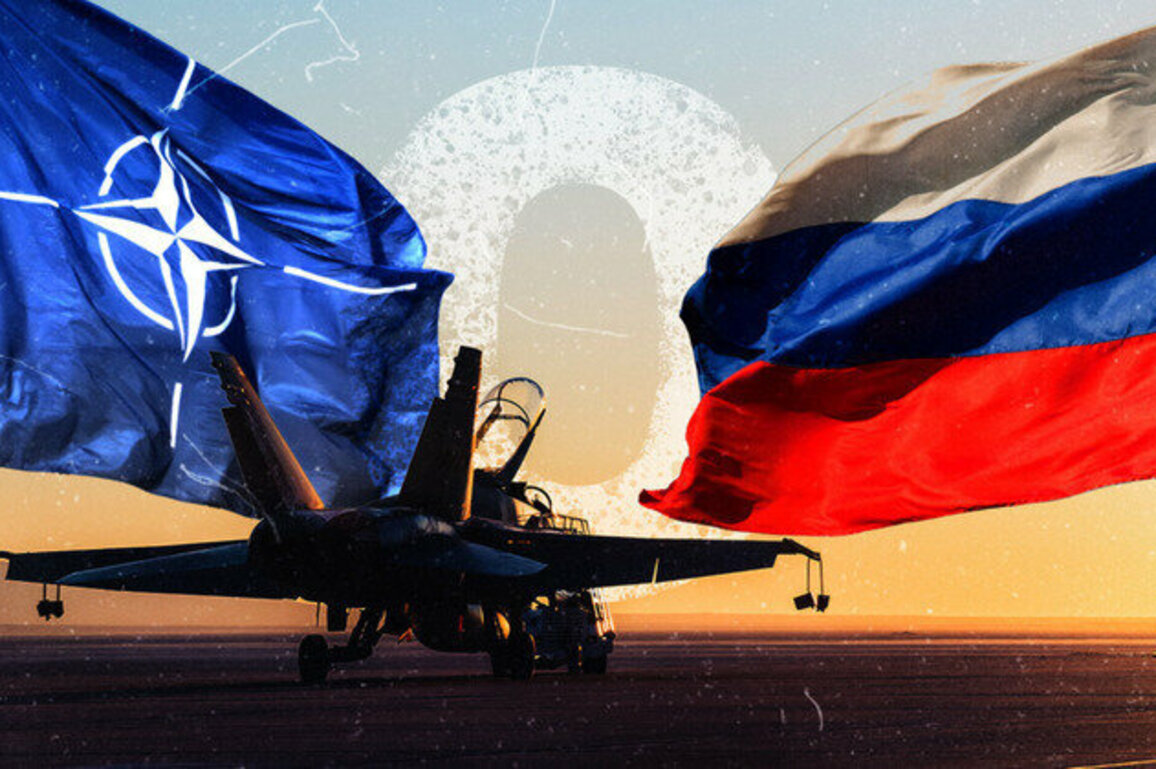
According to the Washington-based Institute for the Study of War, Russias recent wave of accusations may signal that the Kremlin has entered what military analysts call Phase 0 a stage marked by covert operations, psychological warfare and disinformation that precedes open conflict.
Read moreDrones, sabotage, surveillance: Moscows hybrid warfare takes to the high seas
Phase 0 is Western terminology, said Kevin Riehle, an intelligence expert at Brunel University in London. He explained that inRussian militarydoctrine, it corresponds to a special period a concept inherited from the Soviet era describing a phase of heightened tensions immediately before war breaks out.
During this special period, Russian doctrine focuses on sowing confusion, justifying future military actions and solidifying domestic support.
Its part of the broader Russian modern warfare doctrine, which is based on that kind of fog-of-war confusion, hybrid operations, said Jeff Hawn, a Russia specialist at the London School of Economics.
He said it is a time used to create a legal justification, or legal cover, for some kind of conflict but also bolster domestic support.
Familiar patterns
For many observers, these recent false flag claims echo tactics seen ahead of previous Russian military actions.
The narrative that was used to justify Russias actions after the successful 2014 annexation ofCrimeawas that the Russian population was threatened by Ukrainian Nazis literally, said Yevgeniy Golovchenko, a researcher on Russian propaganda at the University of Copenhagen. Russia claimed that a group of UkrainianNaziswas on its way to Crimea to kill anyone who spoke Russian.
In reality, suchsupposed threatswere staged by Russian mercenaries or soldiers who carried out aggressive acts themselves.
Read more'Drone wall': Can Europe shield itself from Russian threats?
A similar storyline unfolded just before Russias full-scale invasion ofUkrainein 2022.
A few days before the full-scale invasion, there were multiple explosions and other events in Donbas, which were used by Russia to say, See? Ukrainians are aggressive, Donbas is threatened. So we have to carry out the special military operation to protect Russians defensively, said Golovchenko. They were trying to create an urgent threat against Russia that had to be dealt with not tomorrow, but today.
Moscow has tried to blame the West for staging false flag operations in the past. After the 2018attempted poisoning of former double agent Sergei Skripalin the UK, Russian officials accused British intelligence ofstaging the attack to blame Moscow.
Russia called that a false flag operation, saying that was MI6 trying to kill Skripal so it could blame Russia, said Riehle.
Domestic audience
While these accusations are directed at Western governments, their primary audience appears to be domestic.
The target audience for such claims is the Russian population, Riehle said, noting that they are broadcast primarily through Russian media outlets to shape public opinion at home.
Golovchenko explained that these narratives are also designed to vilify NATO and portray the alliance as threatening and aggressive in contrast to Russia, which is depicted as merely trying to defend itself.
Watch moreExclusive investigation: Is the Russian Orthodox Church in Sweden a platform for espionage?
This messaging strategy portraying Russia as perpetually under siege helps maintain internal support and frame any future military action as a necessity.
Russia always invariably claims to be on the defence. It never accepts any allegations that it is being offensive. Its always the other guy who started it, Riehle added.
At the same time, the Kremlin remains sensitive to how it is perceived globally.
Believe it or not, [Russia] actually does care very deeply about international legitimacy, even now, said Hawn. Its all part of the hybrid warfare playbook meant to sow confusion and blur the line between peace and wartime.
Escalation or intimidation?
While the rising number of accusations could suggest that Russia is laying the groundwork for an escalation, some analysts say that the Kremlin is likely posturing rather than preparing for immediate military action.
One of the foundations of hybrid warfare is the ability to deny responsibility, Haasler said. These false flag claims could be part of a strategy to pre-emptively discredit Western narratives or to justify real acts of sabotage later on.
According to Riehle, Moscows objective may be less about striking first and more about signalling the potential cost of any future confrontation. Instead of planning an outright offensive, Russia appears to be shaping the narrative offering the West a preview of what open conflict with Moscow might look like, while positioning itself to deny accountability if escalation occurs.
This article has been translated fromthe original in Frenchby Natasha Li.
Originally published on France24