

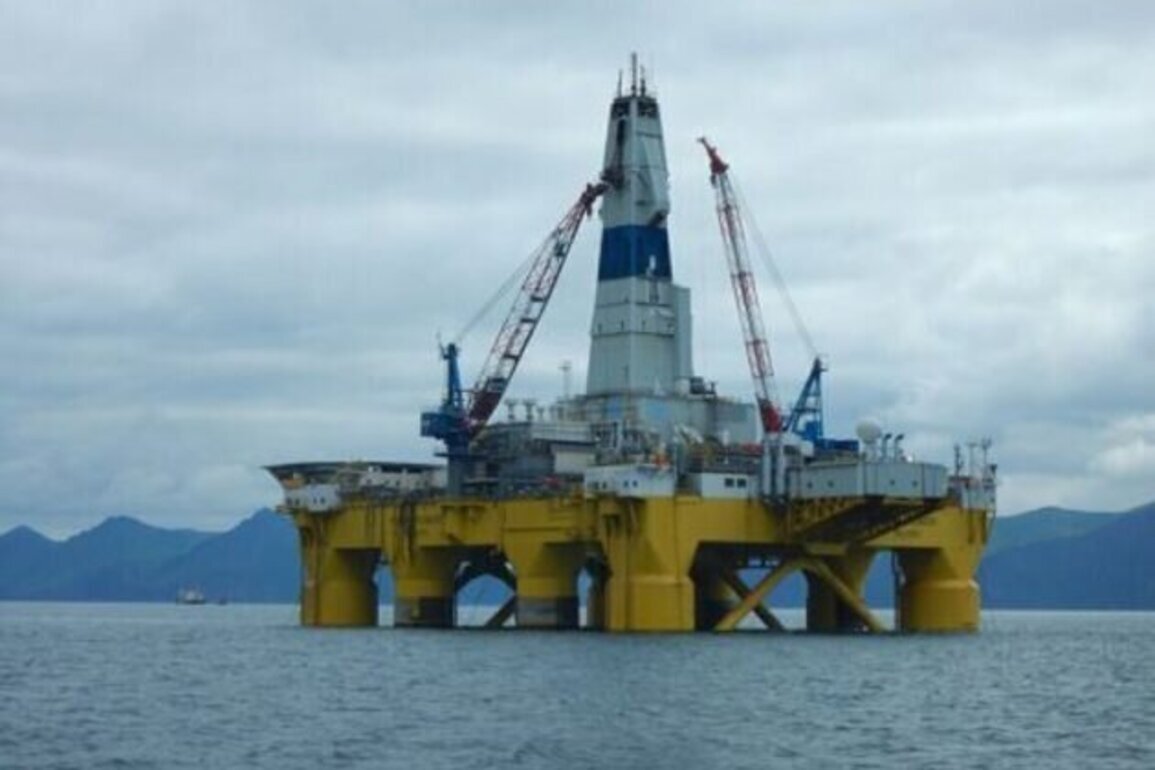
Major Nordic financiers and some of Europe's bigger political heavyweights are among the 127 investors, businesses, scientists, trade unions, think tanks, and non-governmental organizations cautioning the European Commission against opening the door to new fossil fuel extraction in the Arctic.
The signatories include a dozen mostly Nordic investment houses with more than 650 billion under management, the Copenhagen office of ActionAid said in a May 27 release. Also on the list: Norwegian investment leader Jens Ulltveit-Moe; Mogens Lykketoft, who served as President of the UN General Assembly during the adoption of the Paris climate agreement; and former German vice chancellor Robert Habeck.
The EU first signalled it might drop its opposition to new Arctic oil and gas drilling in late April in response to the energy supply shock brought on by the American/Israeli war on Iran, the Financial Times reported at the time. The continent's political leaders have been trying since 2021 to secure support for an effort to keep Arctic fossil fuels in the ground, but that effort also began before Russia's invasion of Ukraine in 2022.
An initial review of the EU's Arctic strategy acknowledged that there's been "no progress" toward a moratorium. But this week, an open letter to the EC led by Danish pension fund Sampension and the Copenhagen-based Nordic Center for Sustainable Finance is urging governments to stay the course.
The Arctic "is already under pressure, as it is warming four times faster than the global average," the letter states [pdf]. "Further oil and gas expansion would add pressure to these globally significant ecosystems by increasing the risk of oil spills and leakages, which could cause irreversible environmental damage, while increased shipping, noise, and physical disturbance would further intensify the environmental stress on the region."
New fossil fuel extraction in the Arctic is "not a near-term response to the current energy crisis," the letter adds, and "if the EU meets its 90% greenhouse gas reduction targets for 2040, existing gas infrastructure in Norway, the UK, and the EU will be sufficient to cover demand." The most effective way to secure the continent's long-term energy future, the signatories say, "is to ramp up EU's electrification and domestic renewable energy and efficiency measures, not to deepen dependence on imported fossil fuels."
The letter adds that new Arctic resources would do nothing to address either of today's top-line geopolitical crises, since they would take more than a decade to bring online. The new infrastructure would also become "potential targets for hybrid warfare due to the proximity to Russian territory and the Northern Sea Route."
Jacob Ehlerth Jrgensen, head of ESG at Sampension, acknowledged that both wars of accentuated the need for Europe to secure its energy supply. But "new oil and gas extraction in the Arctic is the wrong path to take," he said in the ActionAid release. "Fossil fuel projects in the Arctic region involve significant financial, geopolitical, climate-related, and biodiversity risks. That is why it is concerning that the EU is reconsidering its opposition to Arctic oil and gas projects."
"This is a major decision with far-reaching consequences for the Arctic, the climate, and the EU's future energy system," agreed Katrine Ehnhuus, senior advisor at the Nordic Center for Sustainable Finance. "Norwegian oil interests are pushing for an Arctic oil and gas boom, but choosing that path would involve significant risks for Europe."
Source: The Energy Mix